Flying Squirrel Font Review: Quirky and Fun for Branding
Opening a blank brand board can feel like staring into a void—until you find that one font that clicks. For a recent boutique identity project, I landed on Flying Squirrel, a display font with a playful yet refined edge. It didn’t just fit; it brought energy to the entire design system.
A Playful Presence in Logo Design
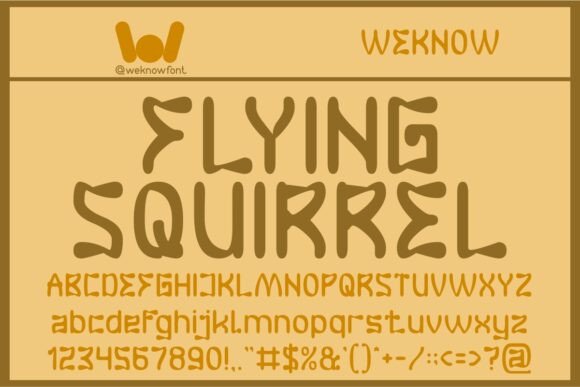
Flying Squirrel has this unique balance between whimsy and professionalism. Its curves are soft but deliberate, giving it a handcrafted feel without leaning too heavily into the cursive or script styles that can be hard to read at smaller sizes. When I first tested it on a logo concept for a handmade soap brand, it felt like the perfect match. The font’s personality mirrored the brand’s approachable and creative vibe.
I placed it alongside other display fonts like Bebas Neue and Exo 2, and while those are strong options, Flying Squirrel stood out for its subtle character details—like the gentle tail-like stroke on the letter “S” and the slightly rounded edges on uppercase letters. These small touches added warmth and charm, making it ideal for logos that want to convey friendliness and originality.
From Packaging to Social Media: A Versatile Display Font
In a packaging mockup for a local bakery, Flying Squirrel worked beautifully on product labels and box designs. It didn’t overpower the visuals, which was key since the branding needed to stay clean and inviting. The font’s legibility even at medium sizes made it suitable for signage and shelf tags.
On digital platforms, I used it for a website header and social media layouts. In Instagram posts, it paired well with minimalist photography and helped draw attention to captions and call-to-action buttons. It also performed well in web headers when combined with a sans-serif body font like Helvetica Neue, creating a balanced contrast between playful and professional.
For business cards, I experimented with a bold weight of Flying Squirrel on the front and a cleaner sans-serif on the back. This combo kept the design modern while still allowing the display font to shine as a focal point.
When to Use and When to Avoid Flying Squirrel
While Flying Squirrel is a fantastic display font, it’s not a one-size-fits-all solution. It shines best in short phrases, headlines, and visual assets where its quirky nature can make an impact. However, it may not be the best choice for long blocks of text or formal corporate documents where readability and consistency are paramount.
Its style leans more toward creative industries such as music, games, comics, and apparel, where a touch of fun and individuality is welcomed. For projects requiring strict typographic rules or high readability across multiple languages, consider pairing it with a more traditional serif or sans-serif typeface.
Practical Tips for Testing and Pairing
Before committing Flying Squirrel to a final client project, test it across different mediums. See how it looks on print materials, digital screens, and mobile devices. Also, check its performance in various sizes—especially if it will appear on product labels or small signage.
Font pairing is another crucial step. I found that Flying Squirrel pairs nicely with a clean sans-serif like Montserrat or a classic serif like Garamond. For a more modern look, combining it with a geometric sans-serif like Roboto created a fresh and dynamic contrast.
Don’t forget to review the included styles, alternates, ligatures, and swashes. Some versions of Flying Squirrel might offer additional weights or stylistic variants that could enhance your design further.
Commercial Use and Licensing
If you plan to use Flying Squirrel in client work, packaging, templates, merchandise, or websites, always ensure you have the correct commercial license. Many premium fonts require specific permissions for extended use, especially in print-on-demand products or digital content.
Check the licensing agreement carefully to avoid any legal issues down the line. It’s a small step that can save you from bigger headaches later, especially if you’re working with clients or selling branded assets.